
Modern Branding Tips 2026
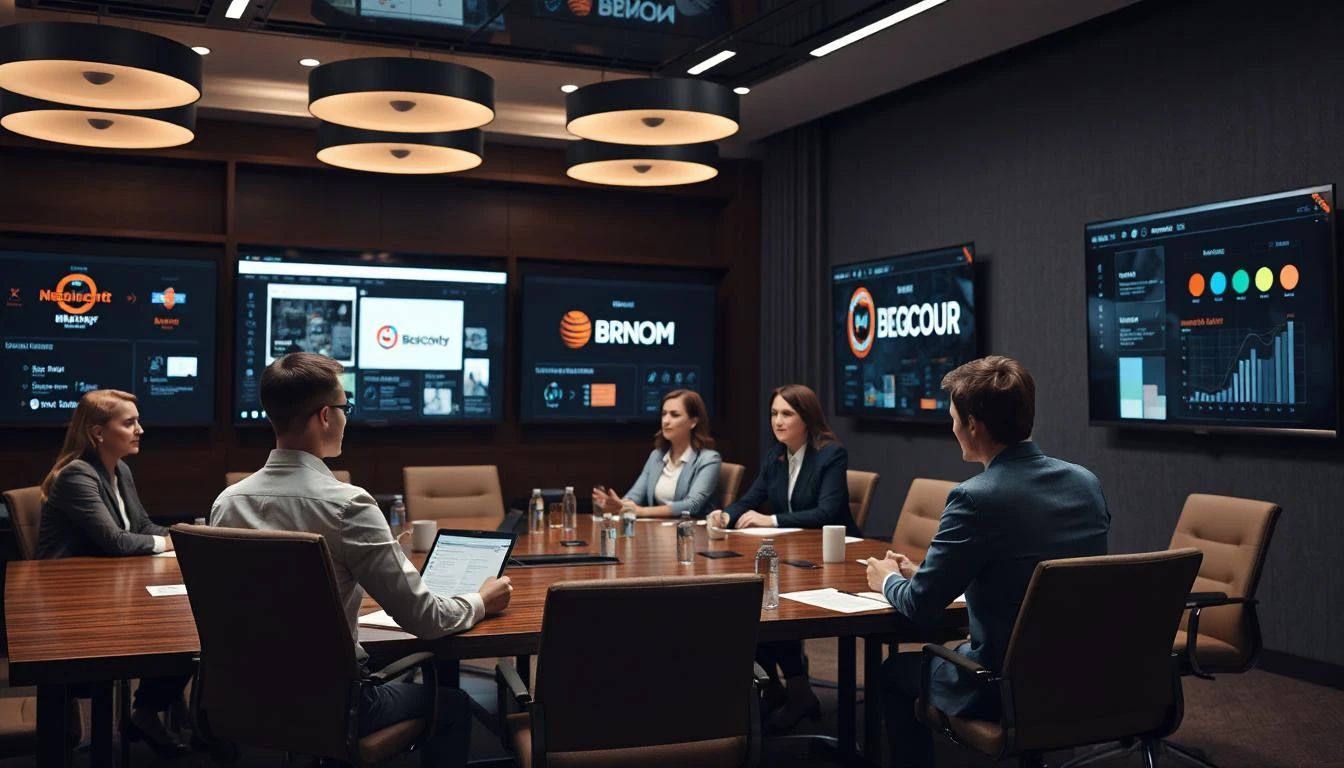
In today’s fast-moving digital economy, brands are no longer competing only on visuals or pricing, they are competing on perception, speed, and emotional relevance. Every scroll, click, and micro-interaction shapes how audiences judge credibility in global marketplaces. The brands that stand out are the ones that understand how to translate identity into experience.
Modern ecosystems demand constant evolution. Platforms shift, algorithms update, and user expectations rise faster than ever. In this environment, branding improvement becomes the central force that determines whether a business remains visible or slowly disappears into digital noise.
Building Strong Digital Brand Identity
A strong digital identity is no longer optional, it is the foundation of survival in global marketplaces where attention spans are extremely limited and competition is relentless.
Before diving deeper, it is important to understand that digital identity today is shaped by consistency, technology, and emotional alignment across every platform touchpoint.
brand identity design plays a crucial role in ensuring that every visual and verbal element aligns with audience expectations across channels.
Modern branding is no longer static; it adapts dynamically based on user behavior, cultural trends, and platform algorithms.
Consistent visual branding across platforms
Consistency creates recognition, and recognition builds trust. When users encounter the same visual language across websites, marketplaces, and social media, they subconsciously assign credibility to the brand. This is one of the strongest foundations of branding improvement in 2026.
AI assisted logo and design systems
AI tools are redefining how brands build identity systems. Logos are no longer fixed assets but adaptive elements that evolve based on context, audience segmentation, and campaign performance. This transformation strengthens brand identity design by making it more responsive and data-driven.
Brand voice optimization for digital channels
Voice consistency is equally important as visuals. Whether it’s product descriptions, chatbot responses, or social media captions, the tone must feel human, clear, and aligned with search intent. As branding strategist David Aaker once said, “A strong brand is a story that never loses its voice.”
Authentic Brand Positioning
Modern audiences no longer trust polished marketing alone, they seek truth, clarity, and emotional resonance from the brands they engage with.
Before exploring deeper strategies, it is essential to recognize that authenticity has become the new competitive advantage in digital marketplaces.
Supporting brand identity design ensures that messaging and visuals work together to communicate sincerity and transparency.
Story driven brand messaging
Stories are more powerful than slogans. A well-crafted narrative helps audiences emotionally connect with a brand’s journey, struggles, and purpose. Long-tail strategies such as how to build authentic brand storytelling for global marketplaces 2026 are increasingly shaping search behavior.
Transparency and trust building strategies
Transparency builds credibility faster than any advertising campaign. Open communication about pricing, sourcing, and processes strengthens long-term trust. Marketing expert Seth Godin once stated, “People do not buy goods and services. They buy relations, stories, and magic.”
Community focused brand engagement
Communities transform passive audiences into active supporters. Brands that invest in meaningful engagement, rather than one-way advertising, create long-term loyalty loops that significantly improve branding improvement outcomes.
Visual Trends in Modern Branding
Visual identity in 2026 is evolving rapidly, driven by AI systems, multi-device usage, and immersive digital experiences.
Before analyzing specific trends, it is important to highlight that visual branding now functions as a dynamic system rather than a static design asset.
This evolution directly strengthens branding improvement by making brands more adaptable in global marketplaces.
Minimalist and adaptive design systems
Minimalism enhances clarity and reduces cognitive overload. Adaptive systems allow branding elements to shift seamlessly across different environments while maintaining identity integrity.
Motion branding and animated identity
Motion adds depth and emotional engagement. Subtle animations in logos, interfaces, and transitions improve recall and create a more immersive user experience.
Responsive branding for multiple devices
From mobile phones to smart TVs, branding must remain coherent across all screen sizes. Responsive design ensures that identity remains consistent while adapting fluidly to technical constraints.
Elevate Your Brand with Modern Strategies for 2026
Global marketplaces are evolving into intelligent ecosystems where branding, data, and user behavior intersect continuously. To thrive, businesses must embrace adaptability as a core principle.
The integration of branding improvement strategies with AI, storytelling, and behavioral insights is no longer optional, it is essential for survival and long-term visibility.
A strong brand identity design ensures that every interaction reinforces trust, recognition, and emotional connection, even in fragmented digital journeys.
As the landscape evolves, brands that fail to adapt risk becoming invisible in a highly saturated digital environment.
In reflection, modern branding is not about how loud a brand can speak, but how clearly it can be understood across diverse digital ecosystems. The future belongs to those who can merge creativity with data-driven precision while staying emotionally grounded.
As branding expert Marty Neumeier once said, “A brand is not what you say it is. It is what they say it is.” This shift in perception highlights the importance of consistency, authenticity, and adaptability.